Step-by-Step Process of Freight Forwarding to Canada
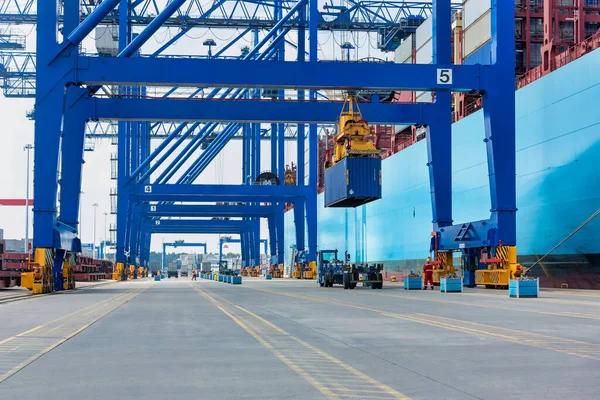
Freight forwarding to Canada involves a series of coordinated steps designed to ensure the smooth transportation of goods from the point of origin to their final destination. The process begins with understanding the specific requirements for shipping to Canada, including customs regulations, documentation, and any applicable tariffs or restrictions. It is essential for exporters and importers to gather all necessary information about Canadian import laws and standards before initiating shipment arrangements.
Once the preliminary research is complete, selecting a reliable freight forwarder is crucial. Freight forwarders act as intermediaries between shippers and carriers, managing logistics on behalf of clients. They handle tasks such as booking cargo space on ships or planes, arranging inland transportation, preparing shipping documents, and navigating customs clearance procedures. Choosing an experienced freight forwarding to canada forwarder familiar with Canadian regulations can significantly reduce delays and complications during transit.
After engaging a freight forwarder, the shipper must prepare detailed documentation required for international shipments. This typically includes commercial invoices detailing product descriptions and values, packing lists outlining item quantities and packaging types, bills of lading serving as contracts between shipper and carrier, certificates of origin verifying where goods were produced, and any other permits relevant to restricted items. Accurate document preparation ensures compliance with Canadian customs authorities upon arrival.
The next phase involves packaging goods appropriately for international transport while considering factors such as weight limits, fragility, size restrictions, and environmental conditions during transit. Proper labeling with clear identification marks also facilitates handling at various checkpoints throughout the journey.
Following packaging completion, the freight forwarder arranges cargo pickup or drop-off at designated locations depending on shipment terms agreed upon by buyer and seller (Incoterms). The chosen mode of transport-whether air freight for faster delivery or ocean freight for cost efficiency-is booked accordingly based on urgency and budget constraints.
Upon departure from the country of origin toward Canada’s ports or airports in cities like Vancouver or Toronto comes monitoring shipment progress through tracking systems provided by carriers or forwarding agents. This allows shippers to stay informed about estimated arrival times and address potential issues promptly if they arise en route.
When shipments reach Canadian borders, customs clearance becomes critical; here both import duties are assessed alongside verification against submitted paperwork ensuring no prohibited items enter market channels illegally. Collaborating closely with customs brokers facilitates this step by expediting inspections while guaranteeing adherence to regulatory standards.
Finally after successful clearance processes conclude within reasonable timeframes shipments proceed onward via domestic distribution networks until reaching end recipients efficiently without unnecessary hold-ups or damage risks involved in cross-border trade complexities inherent in global supply chains today.