Soil Densification Methods Explained for Construction Projects
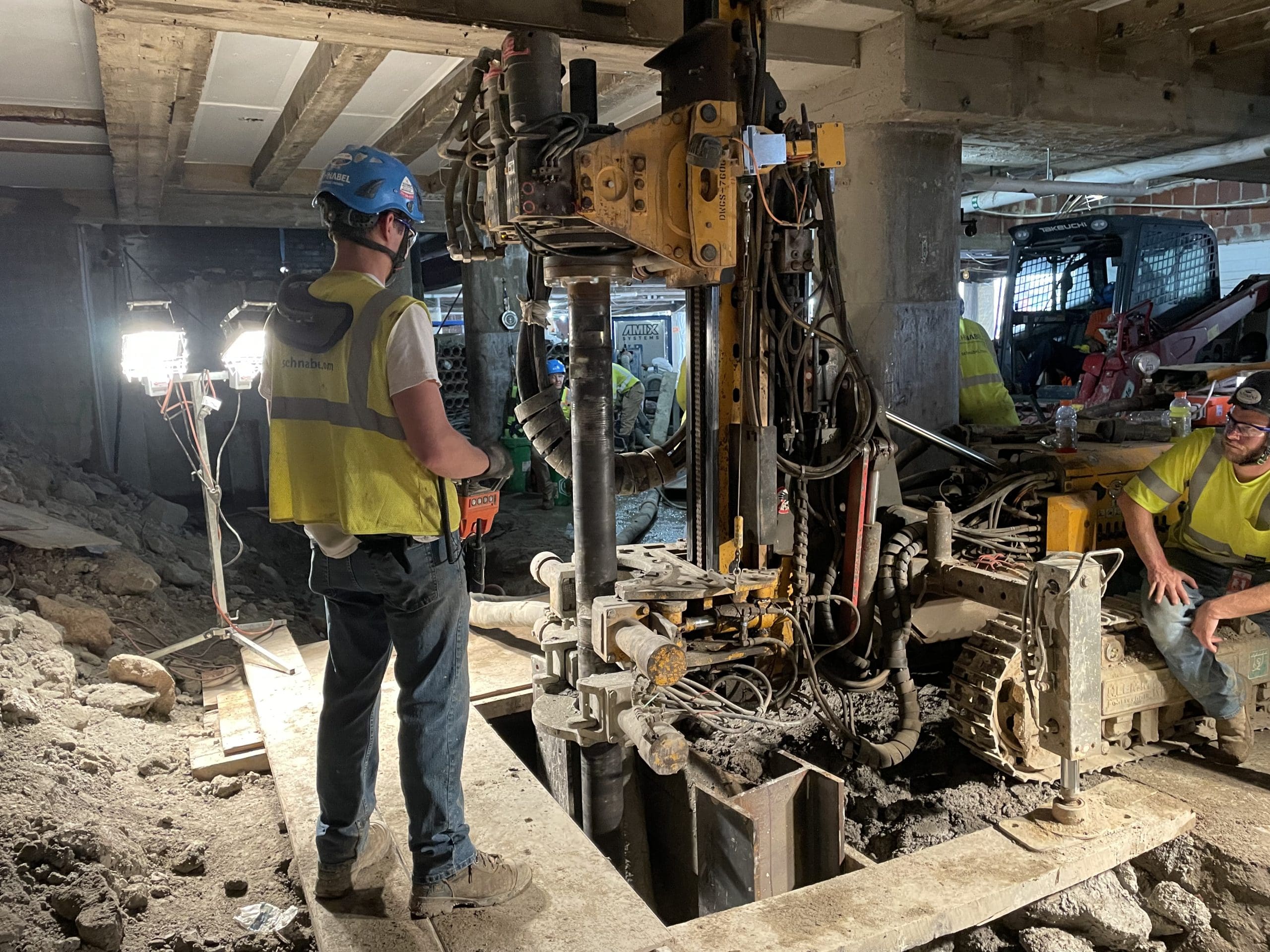
Soil densification is a critical process in construction projects that aims to improve the physical properties of soil, thereby enhancing its load-bearing capacity and stability. Properly densified soil reduces settlement risks and increases the safety and durability of structures built upon it. Various methods are employed depending on soil type, project requirements, and environmental conditions. Understanding these techniques is essential for engineers and construction professionals to select the most appropriate approach.
One common method is **vibrocompaction**, which involves using a vibrating probe inserted into granular soils such as sand or gravel. The vibration rearranges soil particles into a denser configuration by reducing void spaces. This technique is particularly effective for loose granular soils lacking cohesion but not suitable for cohesive clays due to their plasticity.
Another widely used method is **dynamic compaction** (or dynamic consolidation). It entails dropping heavy weights from significant heights onto the ground surface repeatedly. The impact energy compacts the underlying soil layers by rearranging particles closer together, improving density significantly up to several meters deep. Dynamic compaction works best on loose sandy or silty soils but may cause vibrations affecting nearby structures, so careful planning is necessary.
For cohesive soils like clay or silt with high moisture content, **preloading combined with vertical drains** offers an effective solution. Preloading involves placing temporary surcharge loads on the ground surface to accelerate consolidation by squeezing out excess pore water from saturated fine-grained soils. Vertical drains installed before loading shorten drainage paths and speed up dissipation of pore water pressure, allowing faster settlement stabilization before construction begins.
**Rolling or static compaction** uses heavy rollers passing over earth fills or embankments in layers called lifts. Each lift undergoes multiple passes until desired density levels are achieved according to specified standards such as Proctor tests. This method suits well-graded granular soils commonly found in road subgrades or foundation bases.
In some cases where improved bearing capacity at depth is required without disturbing existing structures above ground level, **grouting techniques** can be applied for densification purposes too. Grouts injected under pressure fill voids between soil grains solidifying loose deposits effectively; however, this method tends to be more expensive than mechanical means.
Selecting an appropriate densification technique depends largely on site-specific factors including soil characteristics (grain size distribution, moisture content), depth of improvement needed, environmental constraints such as vibration sensitivity near populated areas, timeline considerations related to drainage rates if consolidation methods are used; also budgetary limits play a role.
In conclusion, understanding various soil improvement methods allows civil engineers and contractors to enhance ground stability tailored specifically for each project’s demands ensuring safer foundations while optimizing costs and timelines efficiently during construction phases worldwide.