Key Considerations Before Delegating Tasks to an AI Personal Assistant
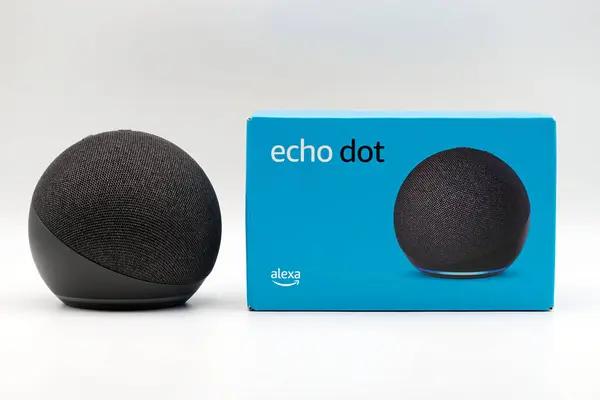
In the rapidly evolving landscape of artificial intelligence, AI personal assistants have emerged as invaluable tools for enhancing productivity and efficiency. These digital aides are capable of managing schedules, setting reminders, answering queries, and even automating routine tasks. However, before entrusting an AI personal assistant with your responsibilities, it is crucial to consider several factors to ensure a seamless integration into your workflow.
Firstly, understanding the capabilities and limitations of the chosen AI assistant is paramount. While these systems can handle a wide range of tasks, they are not infallible and may struggle with complex or nuanced assignments that require human judgment. Therefore, it is essential to assess whether the tasks you intend to delegate align with the AI’s strengths. Routine and repetitive tasks such as scheduling meetings, sending reminders, or basic data entry are typically well-suited for AI management.
Privacy and data security are also critical considerations. AI personal assistants often require access to sensitive information in order to function effectively. This includes calendars, emails, contacts, and other personal data. It is vital to evaluate the security measures implemented by the service provider to protect this information from unauthorized access or breaches. Opting for a reputable provider with robust encryption protocols can open website mitigate potential risks associated with data privacy.
Additionally, compatibility with existing systems should be assessed before integrating an AI assistant into your workflow. The chosen tool should seamlessly integrate with your current software ecosystem without causing disruptions or requiring significant changes in established processes. Ensuring compatibility minimizes friction during implementation and maximizes the efficiency gains offered by automation.
Another important aspect is customization and adaptability of the AI assistant. Every individual’s needs differ; therefore, selecting a system that allows for personalization of settings and preferences ensures that it aligns closely with your specific requirements. An adaptable assistant can learn from interactions over time and improve its performance based on feedback.
Cost implications must also be taken into account when considering an AI personal assistant. While some solutions offer free versions with limited capabilities, premium features often come at a cost which varies significantly between providers. Conducting a cost-benefit analysis helps determine if the investment yields sufficient returns in terms of time saved or increased productivity.
Finally, ethical considerations surrounding artificial intelligence cannot be ignored when delegating tasks to an AI personal assistant. These include ensuring transparency in decision-making algorithms used by these systems as well as being mindful of potential biases embedded within them which could inadvertently affect outcomes negatively.
In conclusion, while delegating tasks to an AI personal assistant offers numerous advantages in terms of efficiency and convenience; careful consideration of factors such as capability assessment; privacy concerns; system compatibility; customization options; cost implications; along with ethical considerations will ensure successful integration into daily routines without compromising on quality or security standards.