HVAC Line Sets Replacement Guide: Signs It’s Time for an Upgrade
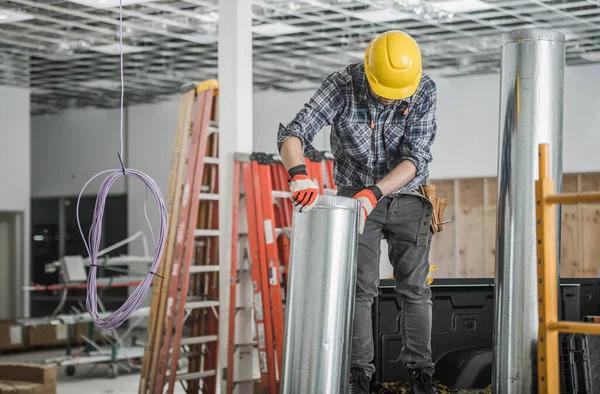
HVAC line sets are essential components of heating, ventilation, and air conditioning systems, connecting the indoor evaporator coil to the outdoor condenser unit. These copper tubes carry refrigerant between the two units, enabling efficient heat transfer and climate control inside buildings. Over time, line sets can deteriorate due to various factors such as corrosion, physical damage, or improper installation. Recognizing when it’s time for a replacement is crucial to maintaining system performance and avoiding costly repairs.
One of the most common signs indicating that an HVAC line set needs replacement is visible physical damage. This can include dents, kinks, or cracks in the copper tubing that compromise its integrity. Such damage often results from accidental impacts during maintenance or external environmental stressors like severe weather conditions. If left unaddressed, these imperfections may cause refrigerant leaks which reduce system efficiency and increase energy consumption.
Another key indicator is the presence of refrigerant leaks around the line set connections or along its length. Refrigerant escaping from damaged lines not only diminishes cooling capacity but also harms the environment due to its chemical properties. Homeowners might notice reduced cooling performance or unusual frost buildup on indoor coils as indirect evidence of a failing line set.
Corrosion is another factor that necessitates replacing HVAC line sets over time. Exposure to moisture and chemicals found in certain environments accelerates metal degradation leading to rust formation on copper tubes or fittings. Corroded lines become weak points prone to leaks and eventual failure if not replaced promptly.
Improper insulation covering old line sets can also signal a need for upgrade. Insulation helps maintain proper temperature levels within refrigerant lines by preventing heat gain or loss during operation. Worn-out insulation allows condensation buildup which encourages mold growth and reduces overall system efficiency.
Age plays a significant role in determining when an HVAC line set should be replaced even if no obvious issues are present yet. Most manufacturers recommend inspecting these components every 10-15 years since prolonged use increases vulnerability to wear-related problems.
When upgrading your HVAC system or replacing major parts like compressors or condensers, it’s often wise to replace existing line sets simultaneously for compatibility reasons and optimal performance outcomes.
Consulting with professional HVAC technicians ensures accurate diagnosis regarding whether your current line set requires repair or complete replacement based on observed symptoms and testing results using specialized tools such as leak detectors.
In summary, paying attention to signs like physical damage, refrigerant leaks, corrosion effects, poor insulation condition alongside age considerations will help determine when it’s time for an HVAC line set upgrade ensuring reliable operation while protecting equipment investment over time.