HVAC Installations That Improve Air Quality and Comfort
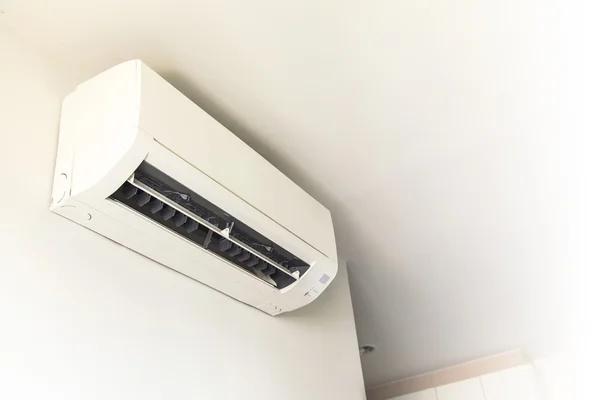
Installing an HVAC system that enhances both air quality and comfort is essential for creating a healthy indoor environment. Modern HVAC installations go beyond simply regulating temperature; they play a crucial role in filtering pollutants, controlling humidity, and ensuring proper ventilation. One of the most effective ways to improve indoor air quality through HVAC installation is by integrating high-efficiency air filters. These filters trap dust, pollen, pet dander, and other airborne particles that can trigger allergies or respiratory issues. Upgrading to HEPA (High-Efficiency Particulate Air) filters or MERV-rated filters with higher efficiency ratings ensures finer filtration without significantly restricting airflow.
Another important aspect of HVAC systems designed for better air quality is the inclusion of ultraviolet (UV) light technology within the ductwork. UV lights help reduce microbial growth such as mold, bacteria, and viruses on coils and surfaces inside the system. This not only prevents unpleasant odors but also limits harmful contaminants from circulating throughout living spaces. Properly installed UV lights complement regular maintenance practices by keeping components clean and reducing potential health risks associated with biological build-up.
Humidity control is another critical feature achievable through advanced HVAC installations. Excess moisture indoors encourages mold growth and creates discomfort due to sticky or clammy conditions. Conversely, overly website dry environments can cause irritation to skin, eyes, and respiratory passages. Installing whole-home humidifiers or dehumidifiers as part of an HVAC setup allows precise regulation of moisture levels according to seasonal needs or personal preferences. Maintaining balanced humidity improves overall comfort while safeguarding building materials from damage caused by excessive dampness or dryness.
Ventilation improvements are equally vital when installing new heating and cooling systems aimed at enhancing indoor air quality. Mechanical ventilation solutions such as energy recovery ventilators (ERVs) or heat recovery ventilators (HRVs) introduce fresh outdoor air while exhausting stale indoor air efficiently without wasting energy. This exchange reduces concentrations of carbon dioxide, volatile organic compounds (VOCs), odors, and other pollutants trapped inside homes or offices.
Zoning capabilities integrated into modern HVAC designs contribute significantly to occupant comfort by allowing customized temperature settings in different areas based on usage patterns or individual preferences. Zoning minimizes energy waste by heating or cooling only occupied spaces rather than entire buildings uniformly.
In summary, investing in advanced HVAC installations tailored for improved air quality involves selecting high-performance filtration systems, incorporating UV sanitation technology, managing humidity effectively through humidifiers or dehumidifiers, enhancing ventilation via ERVs/HRVs units, and implementing zoning controls for personalized comfort levels throughout a property’s interior environment.