Complete Crib Buying Guide for First-Time Parents
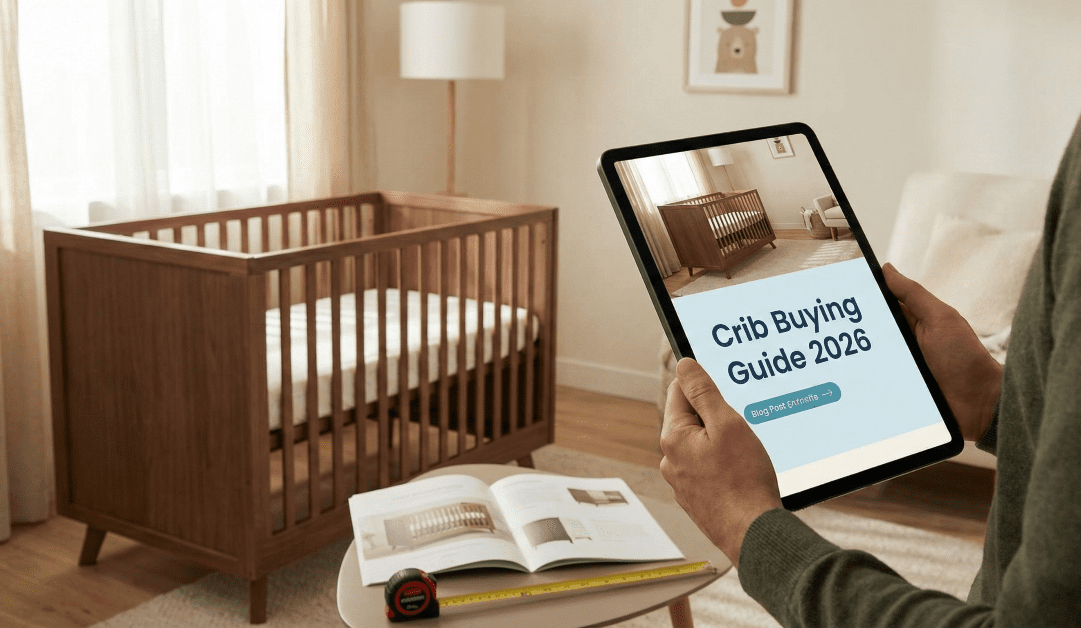
Choosing the right crib for your baby is a significant decision for first-time parents, as it plays a crucial role in ensuring your child’s safety and comfort. With numerous options available, selecting the perfect crib can feel overwhelming. This guide aims to simplify the process by highlighting key factors to consider when purchasing a crib.
Firstly, safety should be your top priority. Ensure that any crib you consider meets current safety standards set by regulatory bodies such as the Consumer Product Safety Commission (CPSC). Look for cribs with fixed sides; drop-side cribs have been banned due to safety concerns. The slats of the crib should be no more than 2 3/8 inches apart to prevent your baby’s head from getting stuck. Additionally, ensure there’s no peeling paint or sharp edges.
Next, consider the size of the crib and how it fits into your nursery space. Standard full-size cribs are typically around 28 inches wide and 52 inches long, but mini-cribs are also available if you’re working with limited space. Measure your room beforehand to ensure a comfortable fit without overcrowding other essential furniture pieces like changing tables or dressers.
The material and finish of the crib are also important considerations. Most cribs are made from wood, which offers durability and stability; however, metal cribs can provide a sleek modern look while being equally sturdy. When choosing finishes or paints, opt for non-toxic options that won’t harm your child if they chew on them during teething phases.
Convertible cribs offer versatility and longevity as they can transition into toddler beds or even full-sized beds as your child grows. Although these may initially cost more than standard models, they often prove cost-effective over time since they adapt to different stages of childhood development.
Adjustable mattress heights are another feature worth considering in a crib purchase. Most models offer two or three height settings so you can lower the mattress as your baby grows and becomes more mobile—this prevents them from climbing out once they’re able to stand up independently.
Finally, think about style preferences that align with both functionality and aesthetics within your home environment—a design that complements existing decor creates harmony in living spaces dedicated largely towards nurturing new life experiences shared between parent-child relationships alike!
In conclusion, crib buying guide involves balancing practicality with personal preference while prioritizing safety above all else! By keeping these factors in mind throughout this journey together alongside loved ones supporting each step taken forward confidently ready embrace joys parenting brings ahead!