Furnace and Invest Installation Tips That Improve Long Term Performance
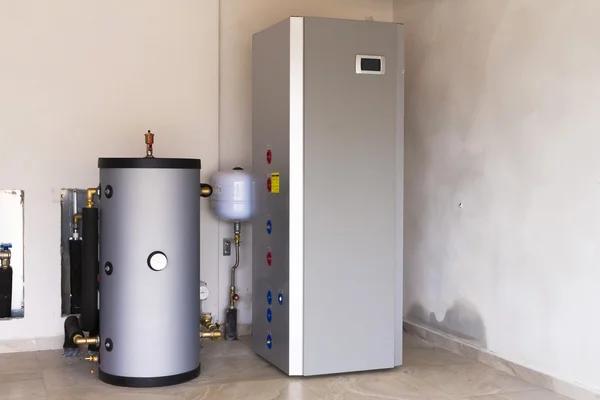
Proper installation of a furnace and its associated investment components plays a crucial role in ensuring long-term performance and energy efficiency. When installing a furnace, it is essential to start with accurate sizing. Selecting the right size based on the square footage, insulation quality, and climate conditions prevents overworking or underutilizing the system. An oversized furnace can cycle on and off frequently, leading to wear and inefficiency, while an undersized one struggles to maintain desired temperatures. Careful load calculations by a professional help avoid these issues.
Another important aspect is positioning the furnace correctly within the home or building. The unit should be placed in an area that allows for adequate airflow around it as well as easy access for maintenance tasks such as filter changes or inspections. Proper clearance from walls and combustible materials ensures safety compliance and reduces fire risks. Additionally, locating the furnace near ductwork minimizes heat loss during distribution.
The ventilation system must also be installed meticulously to support efficient combustion and exhaust removal. Sealing all duct joints tightly prevents air leaks that reduce heating effectiveness and increase utility bills. Insulating ducts running through unheated spaces further preserves warm air temperature before reaching living areas. Ensuring proper vent pipe see full article slope directs condensation safely outside without pooling inside pipes which could cause corrosion or blockages over time.
Investing in high-quality materials during installation contributes significantly to durability. Using rust-resistant metals for venting parts extends their lifespan while selecting premium filters improves indoor air quality consistently throughout operation periods. Installing programmable thermostats enables better control over temperature settings which optimizes fuel consumption according to actual needs rather than fixed schedules.
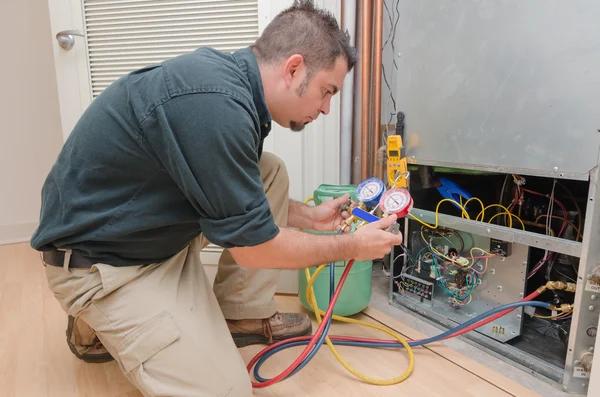
Commissioning tests after installation verify that all components function correctly together as intended by design specifications. Checking gas pressure levels, electrical connections, blower speeds, ignition systems, and safety controls guarantees reliable startup performance without hidden faults that might shorten equipment life span.
Routine maintenance following manufacturer guidelines complements good installation practices by keeping systems clean and operationally sound year-round. Scheduling annual inspections helps identify potential problems early before they escalate into costly repairs or replacements.
In summary, focusing on precise sizing calculations, strategic placement with sufficient clearance, airtight duct sealing combined with proper insulation techniques ensures maximum efficiency of furnaces over time. Choosing durable materials paired with commissioning checks secures dependable operation while regular upkeep preserves optimal functionality throughout service life cycles of heating investments made today for tomorrow’s comfort needs.