How Easy CrossBorder Freight Shipping Solutions Save Businesses Time
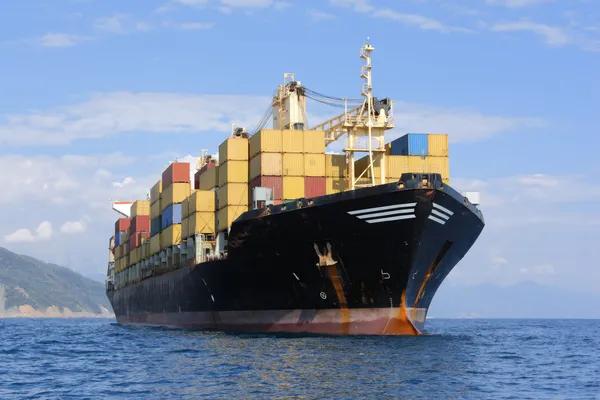
In today’s globalized economy, businesses are increasingly reliant on efficient cross-border freight shipping solutions to maintain their competitive edge. Navigating the complexities of international logistics can be a daunting task, often fraught with challenges such as regulatory compliance, documentation requirements, and coordination between various stakeholders. However, easy cross-border freight shipping solutions have emerged as a game-changer for businesses looking to streamline their operations and save valuable time.
One of the primary ways these solutions save time is through automation and technology integration. Many modern freight shipping platforms leverage advanced technologies like artificial intelligence (AI) and machine learning to optimize routes, predict potential delays, and automate paperwork processes. By reducing manual intervention in these areas, businesses can significantly cut down the time spent on administrative tasks. Automated systems also minimize human error in documentation and compliance checks, ensuring smoother transitions across borders.
Moreover, easy cross-border freight shipping solutions offer real-time tracking capabilities that provide businesses with greater visibility into their supply chains. This transparency allows companies to monitor shipments closely and make informed decisions quickly if any issues arise during transit. Real-time data access enables proactive management of potential disruptions caused by factors such as weather conditions or geopolitical tensions. Consequently, businesses can respond find out swiftly to mitigate risks rather than being caught off guard by unexpected delays.
Another significant advantage is the consolidation of services offered by comprehensive logistics providers. Instead of dealing with multiple vendors for different aspects of the shipping process—such as customs brokerage, warehousing, or last-mile delivery—businesses can rely on a single provider offering end-to-end solutions. This consolidation not only simplifies communication but also reduces lead times associated with coordinating between different service providers.
Furthermore, experienced logistics partners bring invaluable expertise in navigating complex regulatory environments across various countries. They stay abreast of changes in trade policies and customs regulations so that businesses don’t have to dedicate resources to this aspect themselves. By outsourcing these responsibilities to knowledgeable professionals who understand local nuances well enough not just comply but optimize processes around them—companies free up internal teams from cumbersome bureaucratic procedures allowing focus shift towards core business activities instead which ultimately drives growth opportunities forward faster than ever before possible without external assistance involved every step along way making sure everything runs smoothly regardless what happens next door globally speaking too!
In conclusion embracing innovative yet straightforward approaches towards managing international shipments proves beneficial beyond doubt when considering all factors combined together resulting overall efficiency gains achieved through reduced operational overheads plus enhanced customer satisfaction levels due timely deliveries consistently maintained throughout year round cycles irrespective seasonal fluctuations demand patterns observed market trends alike thereby establishing long-term partnerships built trust reliability dependability unmatched elsewhere industry today!
