AC Turning On and Off Frequently? Here’s What You Need to Know
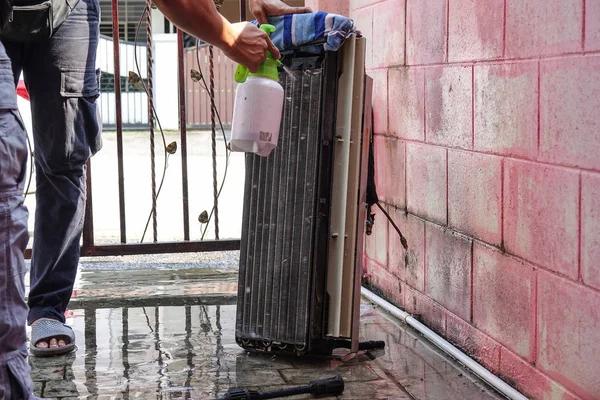
Experiencing an air conditioner that turns on and off frequently, a phenomenon often referred to as short cycling, can be frustrating and concerning. This issue not only affects your comfort but also indicates potential problems with your AC system that could lead to more significant issues if left unaddressed. Understanding the causes of short cycling is essential for maintaining the efficiency and longevity of your air conditioning unit.
One common cause of frequent cycling is a clogged or dirty air filter. When filters become blocked with dust and debris, airflow is restricted, causing the system to overheat and shut down prematurely. Regularly checking and replacing filters every one to three months can prevent this issue from occurring.
Another potential culprit could be an oversized air conditioner. If the unit’s capacity exceeds what’s needed for the space read more about it on this page will reach the desired temperature too quickly and turn off before completing a full cycle. This not only leads to uncomfortable temperature fluctuations but also increases wear and tear on components due to constant starting and stopping.
Thermostat placement plays a crucial role in how efficiently an AC operates. If a thermostat is located in direct sunlight or near heat-generating appliances, it may register higher temperatures than actual room conditions, prompting unnecessary cycles. Relocating the thermostat or ensuring it’s in a neutral location can help mitigate this problem.
Refrigerant levels are another factor contributing to short cycling issues. Low refrigerant levels due to leaks reduce cooling efficiency, leading the system to work harder than necessary without achieving optimal performance before shutting off again. A professional HVAC technician should address any suspected refrigerant leaks promptly.
Electrical problems such as faulty wiring or capacitors can also cause erratic behavior in AC units. These components are critical for providing power smoothly throughout operation; any disruption might trigger frequent starts and stops unexpectedly.
Finally, consider environmental factors like extreme weather conditions which might affect how often an AC turns on or off during peak seasons when demand fluctuates significantly throughout different times of day.