Mini Split AC Installation Guide: What to Expect
Installing a mini split air conditioning system is an effective way to cool specific areas in your home or office while maintaining energy efficiency. Unlike traditional central air systems, mini splits consist of two main components: the indoor unit and the outdoor compressor. Understanding what to expect during installation can help ensure a smooth process and optimal performance from your new system.
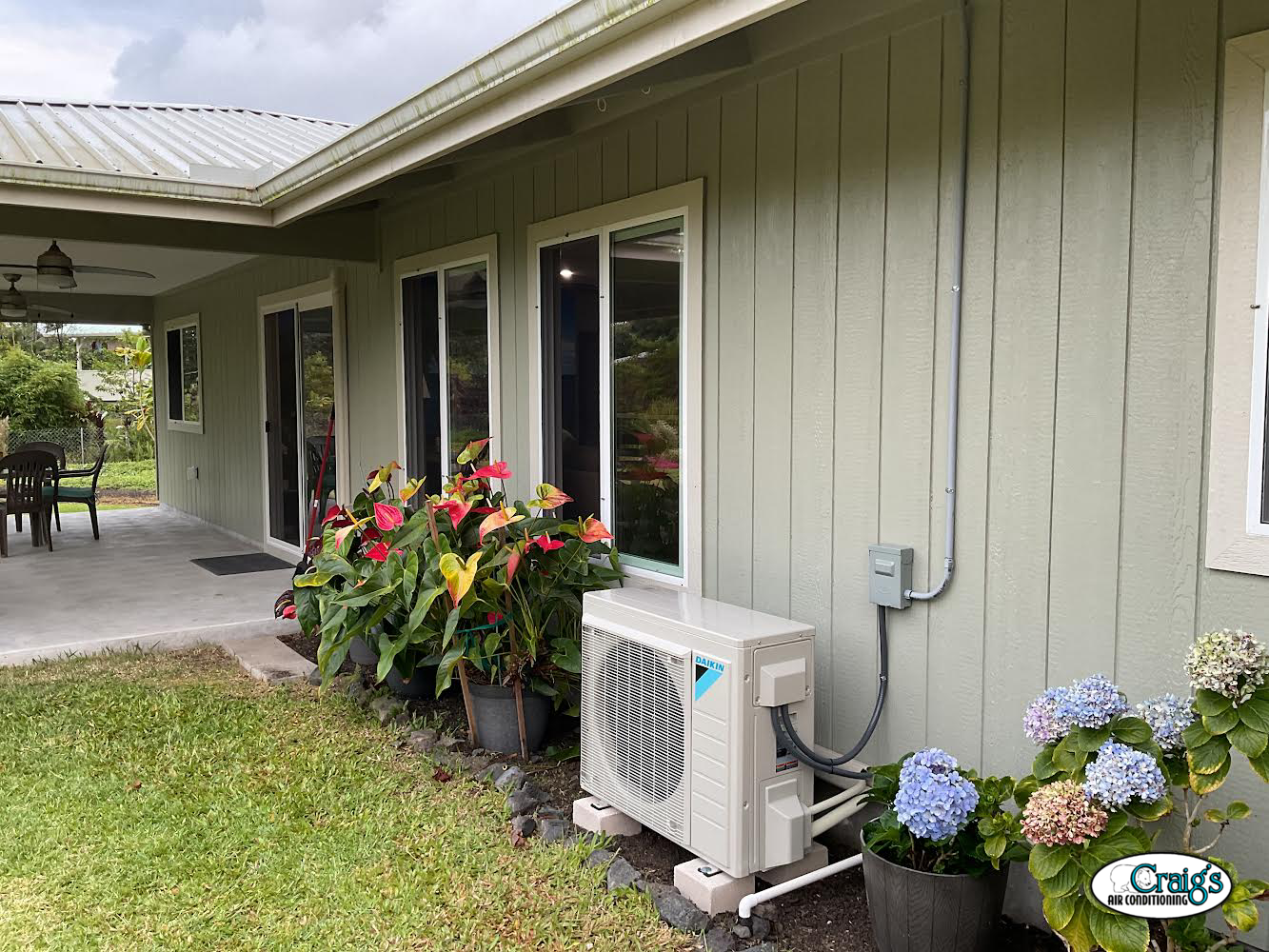
The first step in installing a mini split AC involves selecting the appropriate location for both the indoor and outdoor units. The indoor unit should be placed high on a wall where it can distribute air evenly throughout the room without obstruction from furniture or curtains. The outdoor compressor needs sufficient clearance around it for proper airflow and maintenance access, typically installed on a stable surface such as concrete pads or brackets mounted on an exterior wall.
Once locations are determined, professional installers will begin mounting the indoor unit securely to the wall using brackets designed specifically for this purpose. Afterward, they will drill a small hole through the wall near the unit to pass refrigerant lines, electrical wiring, and drainage pipes that connect it to the outdoor compressor. This hole is usually about three inches in diameter and must be sealed properly after installation to prevent drafts or moisture intrusion.
Next comes connecting refrigerant lines between both units. These copper tubes carry coolant essential for heat exchange during cooling or heating cycles. Proper handling of these lines is crucial because any leaks could compromise system efficiency or cause damage over time. Technicians use specialized tools like vacuum pumps and gauges during this phase to evacuate air from inside the lines before charging them with refrigerant according to manufacturer specifications.
Electrical connections follow once mechanical components are in place. The installer links power supply cables safely into circuit breakers dedicated solely for this appliance, ensuring compliance with local electrical codes while providing reliable operation without overloading existing circuits.
After completing physical setup tasks, technicians test all functions by turning on the system and adjusting settings through remote controls or wall-mounted thermostats included with most models today. They verify cooling capacity matches expected performance levels by measuring temperature differences between intake air entering indoors and output air leaving vents.
Finally, installers provide guidance on routine maintenance practices such as cleaning filters regularly and scheduling periodic professional inspections that prolong equipment lifespan and maintain energy savings benefits associated with mini split technology.
Overall, having your mini split ac professionally installed guarantees correct assembly aligned with safety standards while maximizing comfort within targeted spaces efficiently year-round regardless of climate conditions outside your building envelope.