Understanding Air Pressure Changes When Closing Air Vents in Unused Rooms
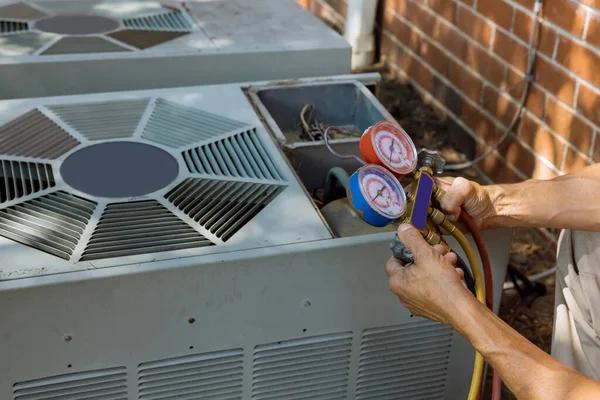
Many homeowners consider closing air vents in unused rooms as a way to save energy and reduce heating or cooling costs. At first glance, this seems like a practical approach—why waste conditioned air on rooms that are not in use? However, understanding the implications of closing air vents on the overall air pressure within a home’s HVAC system is crucial before making this decision.
When you close the air vents in unused rooms, you essentially restrict the airflow in certain parts of your home. While it might seem that less air will be wasted, this action can cause unintended consequences related to air pressure changes. The HVAC system is designed to distribute conditioned air evenly throughout the house, maintaining a balance in air pressure. Closing vents disrupts this balance, potentially leading to increased pressure in the ductwork.
Increased air pressure in the ducts can force air to leak through small gaps and cracks in the duct system. This leakage reduces the efficiency of the heating or cooling system, meaning your HVAC equipment has view website to work harder to maintain the desired temperature. Consequently, this can lead to higher energy bills and additional wear on the system. Moreover, excessive pressure can even cause damage to the ducts over time, leading to costly repairs.
Another aspect to consider is that closed vents can create negative pressure in the rooms where the vents remain open. This pressure imbalance may draw in unconditioned air from outside or from spaces such as attics and crawl spaces, introducing dust, allergens, and humidity into your living environment. This can degrade indoor air quality and reduce overall comfort.
For homes with forced-air heating and cooling systems, a better approach to saving energy is to adjust the thermostat or use zoning controls rather than closing vents. Zoning systems allow you to control the temperature in different areas of your home independently without disrupting airflow. If your system does not have zoning capabilities, consider consulting with an HVAC professional before closing vents in unused rooms.
In summary, while closing air vents in unused rooms might seem like an effective energy-saving strategy, it can cause significant changes in air pressure within your HVAC system, leading to inefficiencies and potential damage. Understanding these effects helps homeowners make informed decisions about managing their heating and cooling systems more effectively and maintaining a comfortable, energy-efficient home environment.