How HVAC Systems Balance Comfort in Poorly Insulated Homes
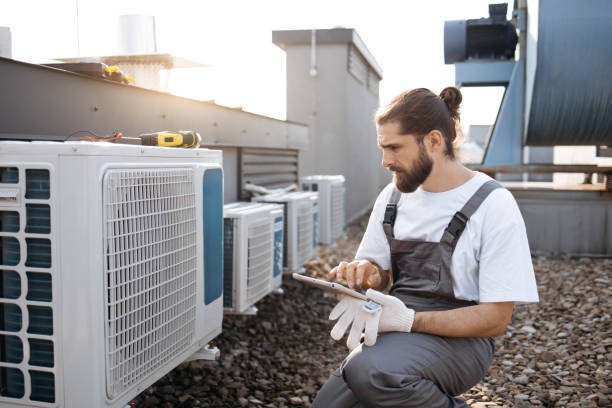
Balancing comfort in poorly insulated homes presents a unique challenge for HVAC systems. These systems, designed to regulate indoor temperature and air quality, must work harder to maintain desired conditions when insulation is inadequate. Poor insulation leads to significant heat loss in the winter and heat gain in the summer, causing discomfort and increased energy consumption.
HVAC systems achieve balance through several mechanisms that compensate for this lack of thermal efficiency. One primary method is by adjusting heating and cooling loads based on real-time environmental data. Modern HVAC units are equipped with sensors that monitor indoor and outdoor temperatures, humidity levels, and even occupancy patterns within a home. this website data allows the system to dynamically adjust its operation, delivering more or less heating or cooling as needed.
In poorly insulated homes, maintaining consistent airflow is crucial. HVAC systems utilize variable speed fans that can modulate their speed according to demand. By doing so, they ensure that conditioned air circulates effectively throughout the living space without creating drafts or hot spots. This continuous circulation helps distribute heat more evenly during colder months and maintains cooler temperatures during warmer periods.
Moreover, zoning systems play an essential role in enhancing comfort levels. Zoning involves dividing a home into different areas or zones that can be individually controlled by separate thermostats or dampers within the ductwork. In homes with poor insulation, certain rooms may lose heat faster than others; zoning allows for targeted heating or cooling of these specific areas without wasting energy on spaces that do not require it.
Another critical aspect of balancing comfort is humidity control. Poorly insulated homes often struggle with fluctuating humidity levels due to uncontrolled air infiltration from outside sources such as windows or doors with inadequate seals. Advanced HVAC systems incorporate dehumidifiers and humidifiers to maintain optimal indoor moisture levels regardless of external conditions.
Energy efficiency also plays a pivotal role in managing comfort within inadequately insulated environments. High-efficiency furnaces and air conditioners consume less energy while providing superior performance compared to older models—this results not only in reduced utility bills but also enhances overall system reliability over time despite increased operational demands imposed by poor insulation factors present at any given location where they’re installed accordingly too!
Regular maintenance further ensures peak performance under challenging circumstances like those found typically associated alongside suboptimal insulating scenarios encountered frequently across various residential settings worldwide today!