Complete Guide to Cellules LiFePO4 for High-Performance Batteries
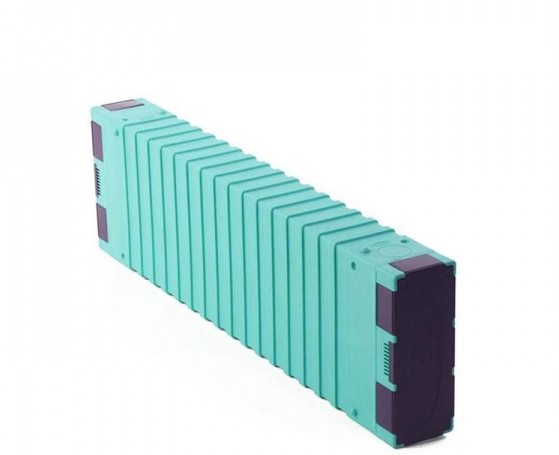
Lithium Iron Phosphate (LiFePO4) batteries are increasingly gaining attention for their high performance, safety features, and longevity. These batteries have become a popular choice in various applications ranging from electric vehicles to renewable energy storage systems. Understanding the fundamentals of LiFePO4 cells can help users maximize their benefits and ensure optimal performance.
At the core of LiFePO4 technology is its unique chemistry. Unlike other lithium-ion batteries that use cobalt oxide as a cathode material, LiFePO4 utilizes iron phosphate. This composition provides several advantages: it enhances thermal stability, reduces environmental impact due to less toxic materials, and offers a longer cycle life compared to traditional lithium-ion cells. The inherent stability of iron phosphate makes these batteries far less prone to overheating or catching fire—a critical safety advantage over some other lithium chemistries.
One key feature of Cellules LiFePO4 cells is their impressive lifespan. They typically offer between 2,000 to 3,000 charge cycles before capacity diminishes significantly—far exceeding the typical lifecycle of lead-acid or even standard lithium-ion counterparts. This longevity translates into reduced maintenance costs and fewer replacements over time, making them an economically viable option for long-term projects such as solar power installations or off-grid systems.
In terms of performance, LiFePO4 batteries excel with their consistent discharge rates and ability to deliver high currents without compromising efficiency. The flat voltage curve during discharge ensures stable power delivery until nearly depleted—a crucial attribute for applications requiring reliable energy output like electric vehicles or backup power supplies.
Charging flexibility is another benefit offered by these cells; they can be charged rapidly without degrading their overall health when using appropriate charging protocols designed specifically for LiFePO4 chemistry. However, it’s imperative not just any charger will suffice; devices must be compatible with this battery type’s specific voltage requirements (typically around 3.65 volts per cell).